For 20 years, Su Socio de Negocios has helped Latino business owners in Southern California learn about financing, marketing, and running a company. The September 2026 Expo continued that work with a free event held in Spanish.
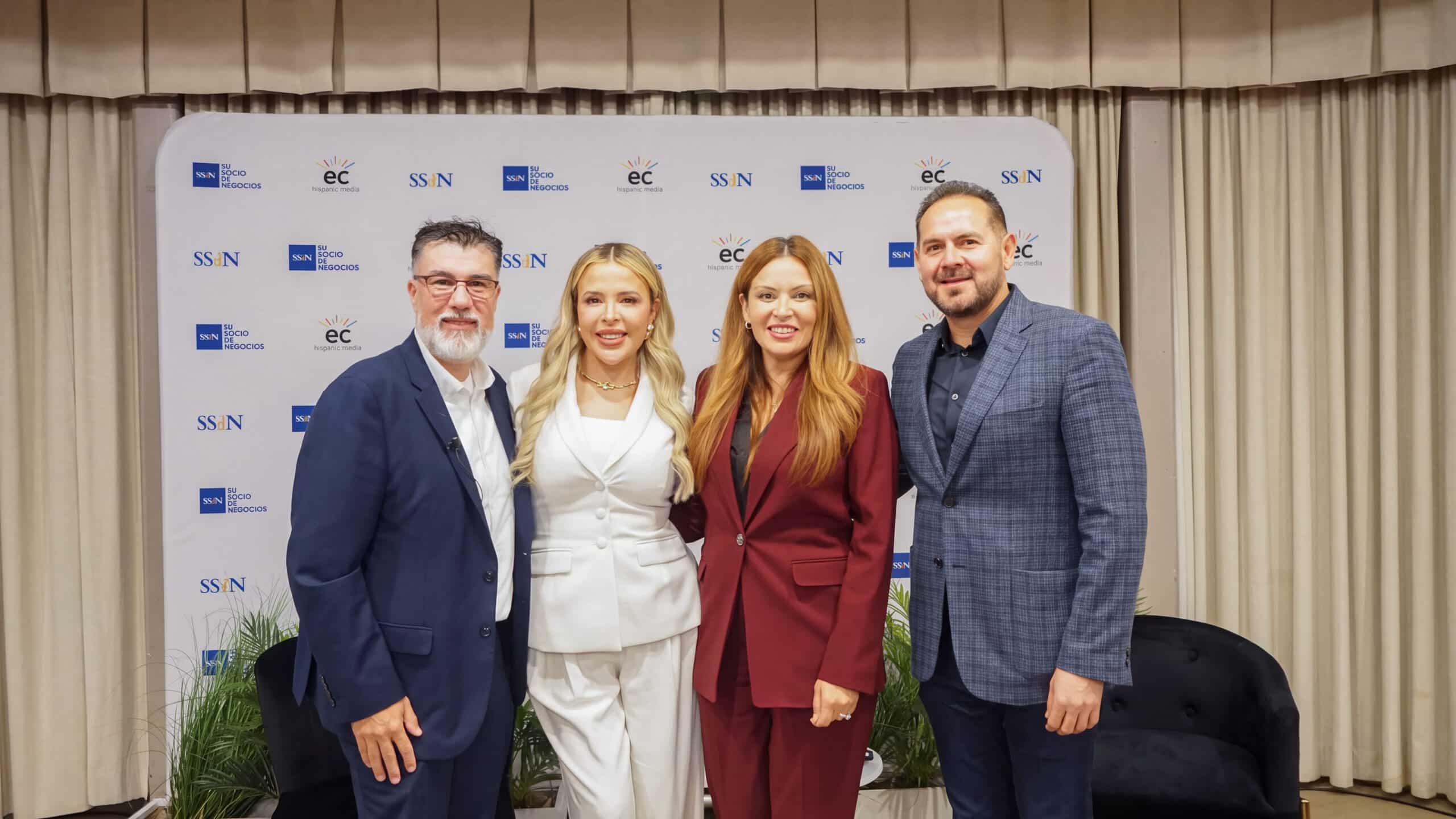
Three entrepreneurs joined the panel: Elvia Chávez, CEO of MC Electric & Contracting; Esmeralda Hernández, founder and CEO of Beauty Creations Cosmetics; and Raúl Fernando Rodríguez, co-founder and CEO of Movita Juice Bar.
In the two months before the Expo, each CEO visited El Clasificado’s office in Norwalk for a Su Socio de Negocios podcast interview. Those conversations gave us a chance to learn about the people behind their businesses.
We heard about family, immigration, difficult times, and the relationships that helped them grow. Their companies are different, but their stories often came back to people. Even when we asked about banking, they spoke about the value of building a relationship with a banker.
The three panelists had never met before their first Zoom call together. As we listened to them, we could see how their different experiences would add to the conversation at the Expo.
After the event, Chávez told us what stood out to her:
“What I loved most were the real business questions. The conversations were practical, added value, and focused on the things business owners are actually dealing with every day.”
Business education in Spanish
Learning how to start a business is one challenge. Finding trustworthy advice as that business grows is another. Some owners need help with their finances. Others want to reach more customers or learn how to work with a government agency.
The Expo gave attendees a chance to explore those questions in Spanish. The event was free and open to anyone who registered. Business owners could listen to the panel, ask the CEOs about challenges in their own companies, and meet people who could help them.
The workshops were also held in Spanish. Teresa Macías Ruiz of the California Department of General Services used clear examples to explain how small businesses can work with the state. Guillermo Pérez, El Clasificado’s director of business development, shared five ways to get more customer reviews. Claudia Shah of the Los Angeles SBDC Network introduced resources for entrepreneurs.
Bank of America offered a workshop and met with attendees. Jae Kim, a vice president and business banking relationship manager, described why those conversations matter:
“Access to capital remains one of the most important topics for small business owners in the Latino community. By encouraging open dialogue during the presentation, attendees were able to ask questions and gain practical insights on building a strong financial foundation, including separating personal and business finances, establishing business credit, and understanding the financing options available to ITIN customers and other entrepreneurs. These conversations help business owners make informed decisions and position their businesses for future growth.”
The conversations between sessions matter, too
Some of the most useful exchanges happened outside the hall. In the courtyard, people talked over aguas frescas. They asked about each other’s families, the economy, and the daily work of running a business.
A conversation might begin with a simple question: “Who helps you with that?” From there, someone might find a useful contact, a new customer, or another owner who understands what they are going through.
It takes an effort to step out of your usual routine and meet someone new. Yet those moments are part of building a business, too. A connection may last one evening, or it may grow into a lasting partnership.
That is what we hope people took home from this year’s Expo: practical information in Spanish, encouragement from entrepreneurs who shared their experiences, and the feeling that they do not have to build a business alone.